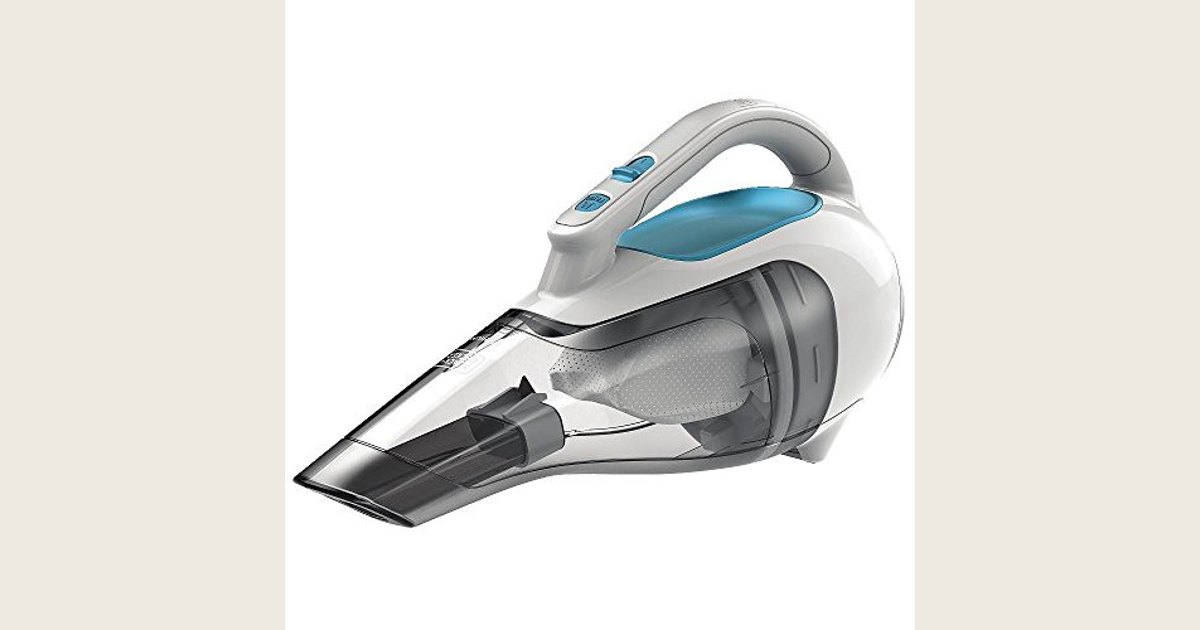
For a heavy-duty car vacuum cleaner, match the machine to the mess, your vehicle, and where you can store it. A compact dry vacuum can suit routine crumbs and grit; a shop-style wet/dry model may make sense for larger cleanup jobs or liquid pickup, but only when its exact model is rated for that use. Hose reach, compatible nozzles, power access, and maintenance are more useful buying checks than the words “heavy duty” or a peak-horsepower label.
Featured image credit: Illustrative stock photo of a BLACK+DECKER Dustbuster handheld vacuum by shop8447 (Flickr), CC0; resized and padded. The pictured handheld form is not a wet/dry recommendation, and no product testing is implied.
Key takeaways
- Decide first whether you need dry pickup only or a model specifically rated for wet pickup.
- Measure the path from the vacuum’s planned position to the farthest part of the cabin, then check the listed hose and cord lengths separately.
- Verify that the included nozzles, hose diameter, and adapters fit the tasks and the exact vacuum.
- Choose capacity and power format around your cleanup routine, storage space, and access to an outlet—not a label alone.
What does “heavy duty” mean for a car vacuum?
“Heavy duty” is not a specification that tells you what a vacuum can pick up or which accessories come in the box. Check the maker’s product details and manual for the intended use, pickup mode, included tools, and upkeep. A large tank or powerful-sounding motor label does not by itself confirm that a machine can collect liquid.
The numbers on a listing also need context. DEWALT says the DXV09P’s advertised nine-gallon capacity describes actual tank volume, not the capacity available during operation. The company also explains that “peak horsepower” is an industry comparison term rather than the motor’s operating horsepower. Treat those figures as model-specific listing details, not a direct measure of car-cleaning performance (DEWALT DXV09P specifications).
| Vacuum setup | Often suits | Tradeoffs and checks |
|---|---|---|
| Compact dry car vacuum | Crumbs, dry grit, and regular touch-ups | Check storage, bin emptying, filter care, nozzle access, and—if cordless—the maker’s runtime conditions. |
| Corded dry vacuum | Dry cleanup when you have a suitable outlet and a place for the machine | Check cord and hose reach together with the vehicle layout; confirm the model is dry-only or wet/dry as applicable. |
| Wet/dry shop vacuum | A larger debris load or liquid pickup when the exact model and setup allow it | It may take more room to carry and store. Check the manual, tank limits, hose/nozzle fit, filter setup, drain, and cleanup instructions. |
Check the whole setup before choosing
1. Decide what you need to pick up
List the jobs you actually expect: dry sand in mats, crumbs in seat seams, pet hair, or occasional liquid spills. For dry debris, compare dry-vacuum options first. If collecting liquid is a requirement, look for explicit wet-pickup approval for the exact model and read its manual before buying. If the listing or manual is unclear, do not assume that the vacuum is safe to use on liquids.
Do not apply a wet-pickup procedure from one model to another. Filter configuration, operating limits, and after-use steps are model-specific. This guide does not prescribe those steps; follow the manual supplied for the vacuum you are considering.
2. Measure reach in two legs
Before comparing hose and cord lengths, decide where the vacuum can safely sit and where the power source is. Measure the route from that position to the farthest footwell or cargo area, allowing for the hose to pass around doors and seats. Separately measure the cord route from the outlet to the machine. A long cord does not make up for a short hose, or vice versa, and the advertised lengths are not a guarantee of usable reach once the machine, connectors, and routing are accounted for.
A practical example: DEWALT lists a 7-foot hose and a 10-foot power cord for the corded DXV09P. If your planned hose route to the rear footwell measures about 6 feet and the route from your outlet to the vacuum’s parking spot measures about 8 feet, those listed lengths look like a possible fit on paper. They do not prove the setup will reach in your vehicle: leave room for bends and connections, and make sure the cord can be routed without creating a trip or door-pinch hazard. If either route is longer than the corresponding listed length, consider a different placement or a model with more reach rather than adding the two measurements together (DEWALT DXV09P specifications).
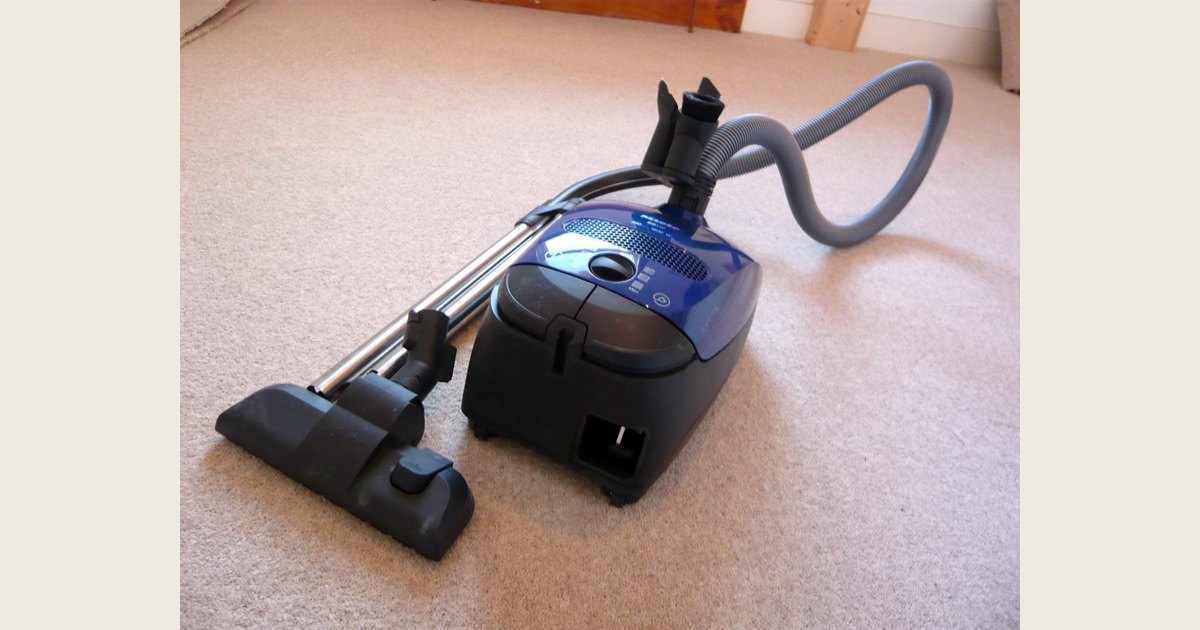
The separate vacuum body, hose, extension tube, and nozzle are the parts to compare as one setup. For a car, check the actual model’s included tools and measure the route to the cabin areas you want to reach; this household canister vacuum is an illustrative stock photo, not an automotive recommendation. Photo: “365.294: Vacuum” by WordRidden (Flickr), CC BY 2.0; resized and padded. No product testing is implied.
3. Confirm attachments and connections
Look beyond the number of tools in the box. A narrow crevice nozzle can help reach a gap, while a wider floor or utility nozzle may suit open surfaces; the important point is whether the right tools are included and fit the hose. Check the hose diameter, connector type, adapters, and whether the maker identifies a tool for dry or wet pickup. Do not assume accessories from another brand—or even a different model in the same brand—will fit.
For example, DEWALT lists a 1⅞-inch, 7-foot hose, two extension wands, and crevice, floor, and utility nozzles for the DXV09P. That is a concrete parts list to compare, not a recommendation or a claim that each tool is ideal for every car (DEWALT DXV09P specifications). RIDGID’s discontinued WD0670 listing separately names car and wet nozzles and links its operator’s manual. Use that older listing only to see why nozzle purpose and model documentation matter; it is not a current product recommendation (RIDGID WD0670 listing).
4. Balance capacity with carrying and storage
A larger tank can hold more debris, but the full setup also includes the machine, hose, cord, and tools. Check the assembled dimensions and weight in the current product listing, and think through where you will store it and how you will move it to the vehicle. Advertised tank volume may not equal working capacity: DEWALT explicitly distinguishes the DXV09P’s actual tank volume from capacity available during operation. Choose the size for your usual cleanup, not the largest number on the shelf.
5. Check power, filters, and upkeep
For a corded unit, confirm that an appropriate outlet is available where you plan to work, then include the outlet-to-vacuum route in your reach check. For cordless equipment, compare the manufacturer’s runtime claim under its stated conditions with the length of your likely cleanup; do not treat a headline runtime as a guarantee for every task.
Before buying, look for replacement-filter availability, the maker’s cleaning or replacement instructions, and how the container is emptied. Confirm that the required parts are available for the exact model. Peak horsepower should not decide the purchase by itself: DEWALT says its peak-horsepower figure is for consumer comparison and does not represent operating horsepower. Give more weight to a documented pickup mode, fitting tools, reach, storage, and upkeep.
If you mainly want a small cordless option for routine cleaning, compare formats in our handheld car vacuum buying guide. For help checking a corded setup and power access, see how to use a car vacuum at home.
Common buying mistakes
- Treating the label as a capability. “Heavy duty” does not tell you whether a model is approved for wet pickup or which tools are included.
- Adding hose and cord lengths together. They cover separate routes: hose from the vacuum to the cleaning area, cord from the power source to the vacuum. Compare each with its own measured path.
- Choosing the biggest tank by default. Tank size, machine footprint, carrying comfort, and usable capacity all matter.
- Assuming the kit is universal. Verify hose diameter, adapters, nozzle purpose, and model compatibility in the product details or manual.
- Overlooking ongoing care. Check filter instructions and replacement-part availability before purchase.
Quick answers before you buy
Can I use any heavy-duty vacuum in my car?
No. The phrase does not define a vacuum’s pickup mode, intended use, dimensions, or attachments. Check the exact model and make sure its hose and tools can reach the areas you plan to clean.
What if I need to pick up a liquid spill?
Choose only a model whose manufacturer explicitly allows wet pickup, and follow that exact model’s manual for setup and limits. If the documentation is missing or unclear, do not improvise.
Is a larger tank always better?
No. More tank volume can be useful for a bigger job, but it adds to the machine’s footprint and may not equal working capacity. Match capacity to your likely mess and storage space.
What should I compare besides capacity?
Check wet/dry rating, hose and cord reach as separate measurements, nozzle and connector compatibility, power source, filter upkeep, replacement parts, and storage requirements.
The practical choice
For routine dry crumbs and grit, start with a compact dry model that is easy to store and has tools suited to your cabin. Consider a shop-style wet/dry vacuum when its documented capabilities, capacity, and attachments solve a real need—and when its bulk, power access, and upkeep work for you. Choose by the complete setup, not the “heavy duty” label alone.