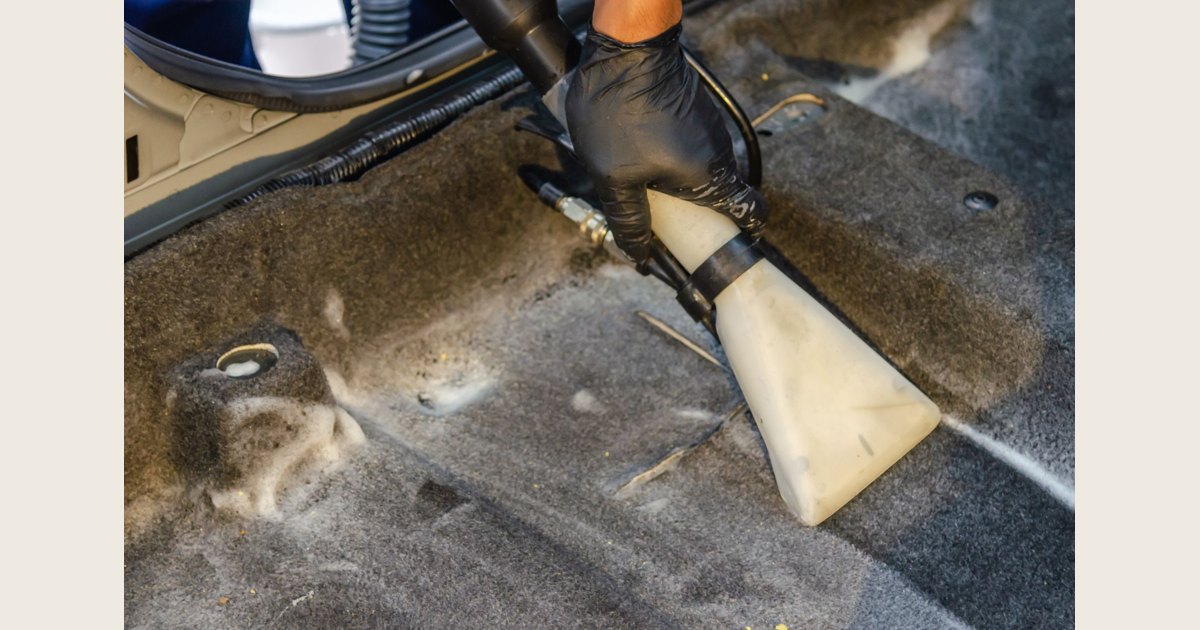
If you’re shopping for a vacuum machine for car cleaning, choose a setup around where the car is parked. A wall-mounted garage vacuum makes sense when you clean the same vehicle in one bay and can mount the unit near a suitable outlet. A portable shop vacuum is more practical when you need to move it between vehicles, storage areas, or other jobs. Neither format automatically cleans better: usable hose reach, compatible tools, collection method, filter or bag upkeep, and the exact model’s instructions matter more than a wall bracket or a “shop” label. This is a research-based comparison, not a hands-on product test. The short version: mount for repeat convenience, carry or roll for flexibility, and skip a dedicated unit if ownership adds more setup than value.
Cover photo: Khunkorn Laowisit on Pexels (source image), used under the Pexels license. Resized and padded. Illustrative stock photo; no product testing is implied.

Key Takeaways
- Choose a wall-mounted vacuum if the same car is cleaned in the same garage and the required mount, outlet, and hose reach work for your space.
- Choose a portable shop vacuum if the machine needs to move or a permanent wall installation isn’t practical.
- Check the exact manual for dry-only versus wet-pickup limits, included attachments, and filter or bag care.
- Measure the route around the parked car and check replacement supplies before comparing model claims.
Wall-mounted vs. portable: quick comparison
Here, “portable” means a carry-or-roll shop vacuum with its own motor and collection tank, not a compact handheld car vacuum. Those are another option; see our cordless car vacuum guide if that’s what you have in mind.
| Decision point | Wall-mounted garage vacuum | Portable shop vacuum |
|---|---|---|
| Best fit | Regular cleaning in one garage bay | Moving between vehicles, rooms, or jobs |
| Where it sits | Fixed on a wall; keeps the unit off the floor | Stored on a shelf or floor, then carried or rolled over |
| Setup | Requires a suitable mounting location and power arrangement | Avoids a permanent wall bracket; still needs storage and a usable power source |
| Reach | Depends on mount placement, hose length, and tools | Depends on hose and cord length, or battery and runtime; moving the unit can help |
| Collection and upkeep | Bag or canister system varies by model | Tank, filter, and bag options vary by model |
| Liquids | Only if the exact model permits wet pickup | Only if the exact model permits wet pickup |
Does your garage suit a wall-mounted vacuum?
A fixed unit can keep its motor and dirt container out of the way, but the wall and outlet have to suit the particular vacuum. For its Garage Vac, VacuMaid calls for a dry, accessible location within 5 feet of a properly grounded outlet, at least 12 inches of clearance above the lid, and 6 inches at the sides. The manufacturer says not to use an extension cord and to plug the unit directly into the outlet. Its installation guide also specifies securing the bracket to a wall stud; for block or concrete, appropriate anchors are needed and aren’t included. These are VacuMaid’s instructions, not universal clearances for every garage vacuum (VacuMaid Garage Vac installation guide).
Before choosing a fixed model, look at the whole parking arrangement: where the car’s driver door opens, where you can reach the trunk, and whether shelves or stored gear will block the unit or hose. If you rent, lack an appropriate mounting surface, or can’t meet the model’s power requirements, a portable vacuum avoids that particular installation. It still takes up storage space, and you’ll need to move its body around the vehicle or manage its cord. “Portable” means movable, not setup-free.
Hose reach or portability: which matters more?
For a wall unit, measure from the proposed mount to the farthest place you need to clean—not just the width of the parking bay. Include the route to the passenger footwell, the far side of the cabin, and the cargo area, with enough slack for the hose to curve instead of pulling tight. Check the product’s usable hose length and whether the tools add reach; a nominal length doesn’t tell you how comfortably it will work around your car.
A portable vacuum lets you reposition the motor and tank as you go, which can help when the vehicle sits in a tight bay or you clean more than one car. But moving it doesn’t remove every reach limit: a corded model still depends on the cord, hose, outlet, and safe placement of the body. A cordless model trades those connections for battery and runtime considerations; check its manual and specifications rather than assuming all portable designs work alike.
Practical test: Park where you normally clean, then trace the hose or cord path to each seat and the trunk. If a fixed hose won’t comfortably reach around the vehicle, plan to move the car, choose a different mounting point, or favor a portable machine.
What will you clean—and which attachments fit?
For dry crumbs, grit, and debris in floor mats, seats, and tight gaps, prioritize tools that reach those surfaces: a crevice tool for narrow spaces, a soft brush for dusting, and an upholstery tool if it’s compatible with the vacuum. Confirm which accessories come in the box; a tool shown in a product photo may be sold separately. Pet hair or embedded debris can call for a compatible powered brush, but don’t assume one fits every motor or hose.
A regular vacuum doesn’t automatically wash upholstery or pick up liquids. VacuMaid says its Garage Vac must not be used to vacuum water or other liquids because wet pickup may damage the unit and void its warranty (VacuMaid first-use instructions). A portable wet/dry vacuum may be appropriate for some wet pickup, but only when the exact model’s instructions allow it and explain the required filter or bag setup. Don’t infer permission from a tank’s appearance or the word “shop.”
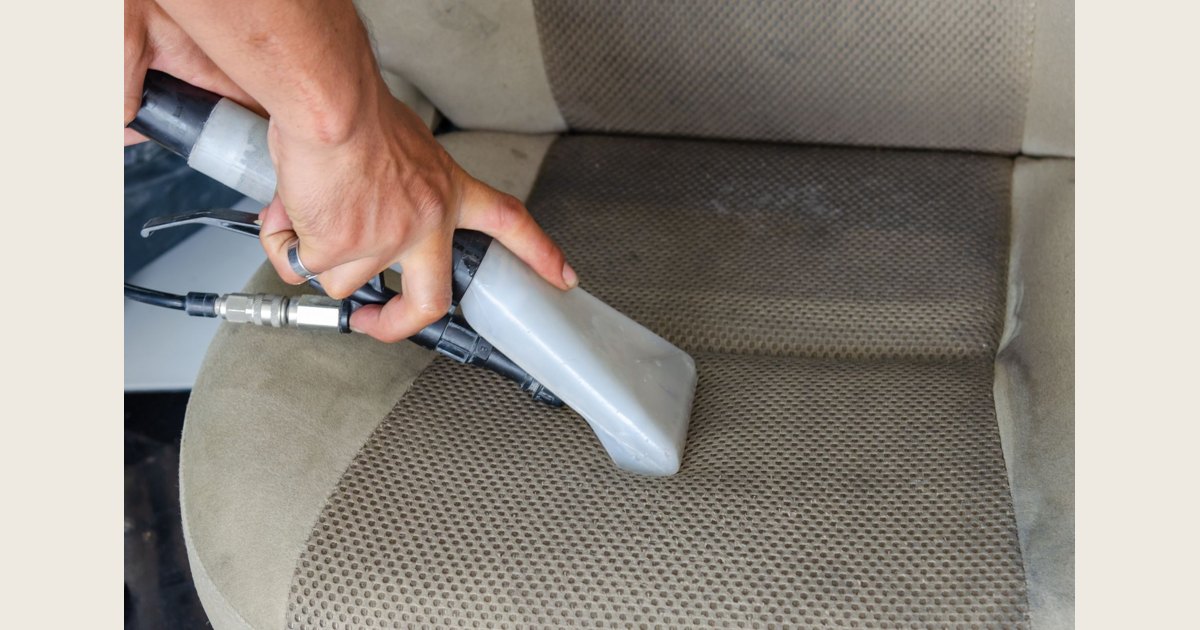
Photo: Khunkorn Laowisit on Pexels (source image), used under the Pexels license. Resized and padded. Illustrative stock photo of a seat-cleaning task; it doesn’t show a product test or establish that a particular vacuum can wet-clean upholstery.

Compare the canister, bag, and filter routine
The collection setup affects what you’ll empty and replace. A fixed system may use a bag, a canister, or another arrangement; a portable vacuum may have a tank, bag, or model-specific filter configuration. Check the owner’s manual and the replacement-parts list for the exact machine. Ask whether bags and filters are readily available, what has to be cleaned after dusty jobs, and whether wet pickup changes the filter setup. Don’t assume a larger tank means stronger suction or that supplies from one model fit another.
VacuMaid describes its Garage Vac as using a sealed HEPA-type bag. Its maintenance instructions recommend checking the dirt canister weekly at first to learn the fill rate, changing or cleaning the bag when dirt reaches 3–6 inches or airflow noticeably drops, and emptying the canister before it becomes more than three-quarters full. The manufacturer also warns that a poorly seated lid can cause a leak and reduce cleaning efficiency. Those are the maker’s instructions for this system, not a schedule for every vacuum (VacuMaid Garage Vac maintenance guide).
For more detail on portable wet/dry options and what to check, see our heavy-duty car vacuum cleaner guide. Compare the upkeep alongside the purchase: a low-maintenance machine you can keep supplied may suit you better than a larger one with accessories or filters you won’t use.
Do you need to own a dedicated vacuum?
If you clean the interior only occasionally, a nearby car-wash vacuum or an existing portable vacuum that is suitable for the job may be enough. That avoids installing a permanent unit or finding storage for another machine. Check the available hose and tools before relying on a public vacuum, and don’t use a household or shop model beyond its manual’s limits.
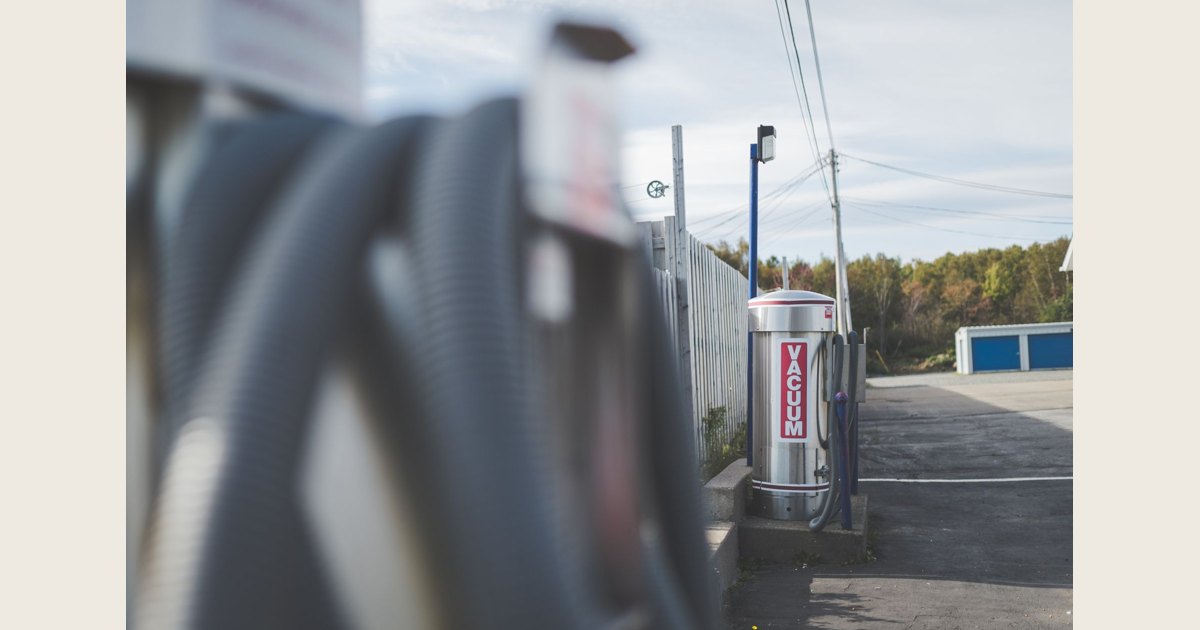
Photo: Stephen Andrews on Pexels (source image), used under the Pexels license. Resized and padded. Illustrative stock photo of a vacuum station; no product testing is implied.

A wall-mounted setup is easier to justify when the car is regularly cleaned in the same space and keeping a ready-to-use machine matters. A portable unit is a better fit when it serves several vehicles or jobs. If neither use case describes you, try the least permanent option first rather than buying based on a feature list alone.
Buying checklist: verify these details first
- Measure the cleaning route. Check reach to the far side of the cabin, footwells, and trunk, including the hose, cord, and attachments.
- Check the installation. For a wall unit, confirm the mounting surface, required clearances, outlet, and any anchors against that exact model’s guide.
- Match the pickup task. Verify whether the machine is dry-only or rated for wet pickup; follow its instructions for filters and bags.
- Inspect the included tools. Confirm that the kit has the nozzles you need and that optional tools are compatible.
- Check the recurring supplies. Look up bag and filter availability, cleaning steps, collection capacity, and warranty terms.
- Plan storage and handling. Make sure a portable body has a home and can be moved around the parked car; make sure a fixed unit won’t be blocked.
If the vacuum won’t start or loses suction
First check the instructions for your model rather than taking apart the motor. VacuMaid’s troubleshooting page suggests checking the plug, system switch, breaker, and whether the circuit is overloaded if its Garage Vac won’t run. For low or no suction, it points to a full bag, an unevenly seated canister lid or gasket, and a blockage in the hose or tools; it also lists checking that the protector plate is correctly positioned (VacuMaid Garage Vac troubleshooting). These checks are specific to that system. If they don’t resolve the problem, stop and contact the manufacturer or a qualified service provider instead of guessing at an electrical or motor repair.
Which setup should you choose?
Choose a wall-mounted garage vacuum when one vehicle is cleaned in one garage, the unit can be installed according to its manual, and the hose can reach every area you need. Choose a portable shop vacuum when you need to move the machine, share it across jobs, or avoid a permanent mount—and its size, tools, power source, and maintenance fit your routine. Choose neither if occasional cleaning is already covered by a suitable vacuum or nearby service.
The most useful comparison is between specific models, not broad labels. Verify reach, attachment compatibility, collection method, replacement supplies, and wet-pickup instructions before buying. If a cordless handheld is what you meant by “vacuum machine for car,” use the separate cordless car vacuum guide instead of comparing it as a shop vacuum.